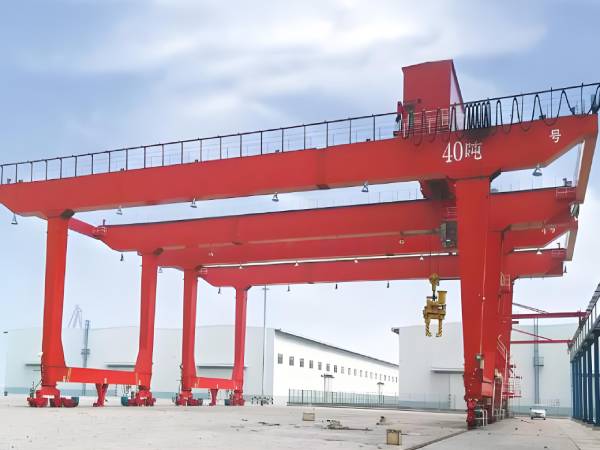
Portal Boom Crane: What Are the Key Safety Measures During Operation?
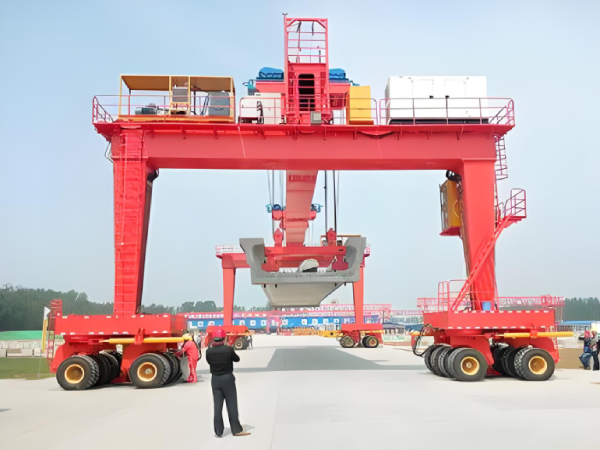
Portal Boom Cranes are indispensable pieces of heavy-duty equipment in various industrial and construction settings, facilitating the lifting and movement of substantial loads. However, their operation involves significant risks, making it crucial to implement key safety measures to prevent accidents and ensure the well-being of workers and the integrity of the work environment.
One of the most fundamental safety measures is proper training for all operators. Before being allowed to handle a Portal Boom Crane, individuals must undergo comprehensive training programs. These programs should cover not only the basic operation of the crane, such as starting, stopping, and maneuvering the boom, but also in-depth knowledge of load capacity limits, signal interpretation, and emergency procedures. For example, operators need to be well-versed in understanding the maximum weight the crane can safely lift at different boom angles and radii. This knowledge helps prevent overloading, which is a major cause of crane – related accidents.
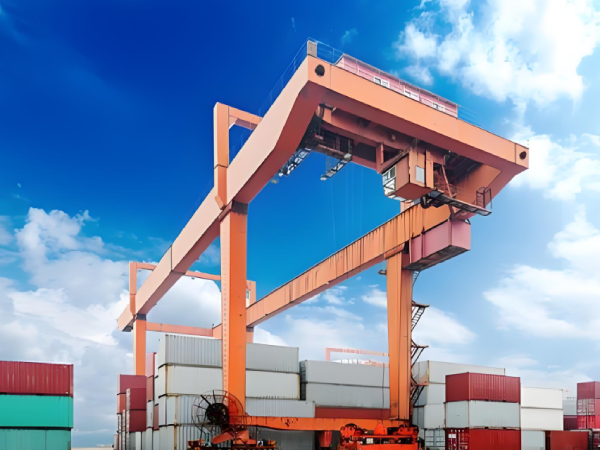
Regular inspection and maintenance are also vital for safe operation. A pre-operation inspection should be carried out every time the Portal Boom Crane is about to be used. This inspection should include checking the structural integrity of the crane, such as looking for cracks or signs of wear on the boom, frame, and other components. The hydraulic and electrical systems should be examined for leaks, loose connections, or any abnormal functioning. Additionally, the safety devices, like limit switches and overload protection systems, must be tested to ensure they are working correctly. Regular maintenance schedules should be established and strictly followed to keep the crane in optimal condition and address any potential issues before they lead to safety hazards.
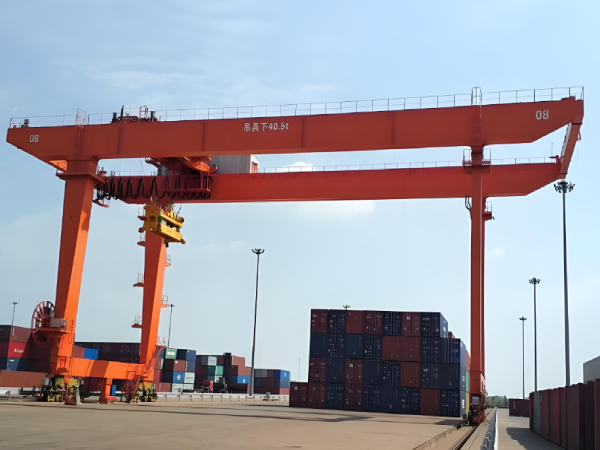
Another crucial safety aspect is the establishment of a clear and well – defined work zone. The area around the Portal Boom Crane should be cordoned off to prevent unauthorized personnel from entering. This helps minimize the risk of people being struck by the crane or falling objects. Moreover, proper communication is essential within the work zone. Operators should be in constant contact with ground personnel using standardized hand signals or two-way radios. This ensures that everyone is aware of the crane’s movements and the loading and unloading operations, reducing the chances of misunderstandings and accidents.
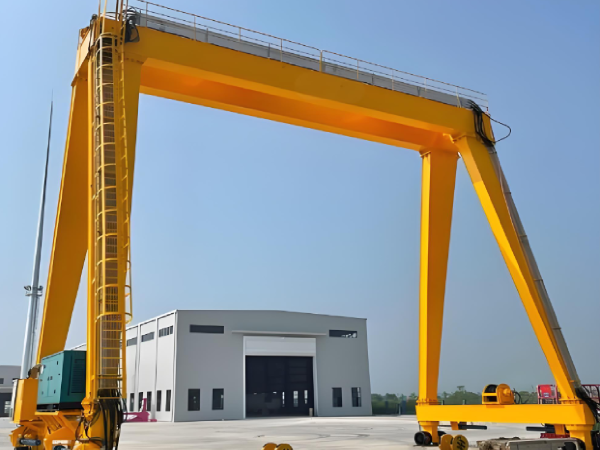
In conclusion, the safe operation of Portal Boom Cranes requires a multi-faceted approach. Proper training equips operators with the necessary skills, regular inspection and maintenance keep the crane in good working order, and a well – managed work zone with effective communication enhances overall safety. By implementing these key safety measures, we can significantly reduce the risks associated with Portal Boom Crane operations and create a safer working environment for all involved.