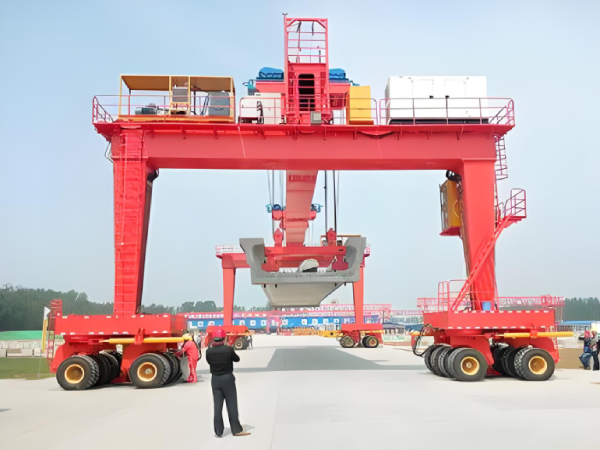
Portal Boom Crane: What Maintenance Practices Extend Its Lifespan?
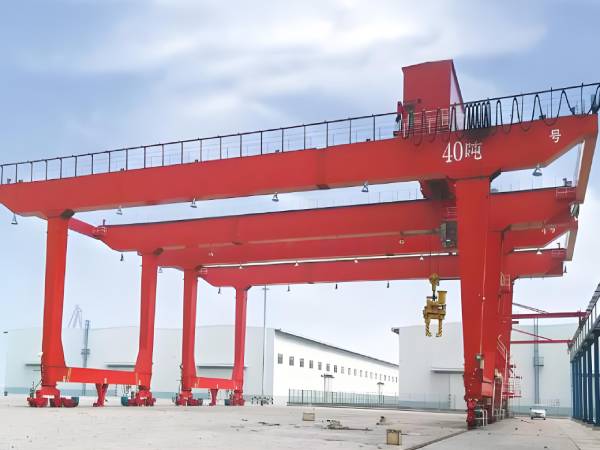
The Portal Boom Crane is a critical piece of heavy-lifting equipment widely used in ports, industrial yards, and large-scale construction projects, where its stable operation directly affects work efficiency, safety, and operational costs. As a high-investment piece of machinery, extending the lifespan of a Portal Boom Crane not only reduces the frequency of replacement and maintenance costs but also ensures long-term, reliable service. To achieve this, implementing scientific and regular maintenance practices is essential. Below are key maintenance measures that effectively prolong the service life of a Portal Boom Crane, covering daily inspections, key component care, environmental adaptation, and professional management.
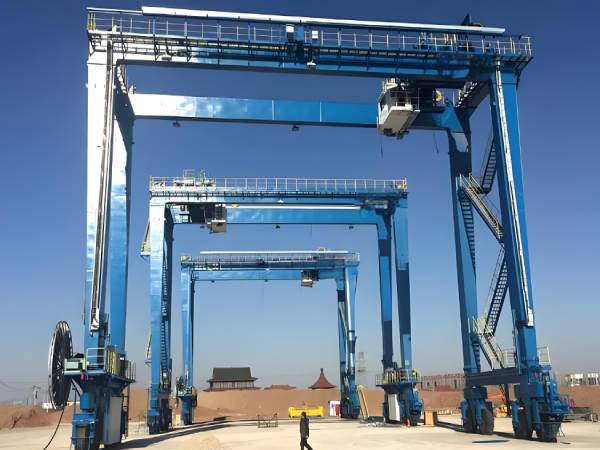
Daily visual and functional inspections are the foundation of Portal Boom Crane maintenance and the first line of defense against potential failures. Before each operation, operators should conduct a comprehensive check of the Portal Boom Crane’s key parts: inspect the steel structure for cracks, deformation, or corrosion, especially the gantry frame and boom—core load-bearing components that bear the brunt of heavy loads. Additionally, check the wire ropes for wear, fraying, or broken strands, as damaged ropes can lead to catastrophic accidents and accelerate the crane’s deterioration. The hydraulic system, which controls the Portal Boom Crane’s lifting, luffing, and slewing movements, should be inspected for oil leaks, and the oil level and cleanliness should be verified to ensure smooth operation. Electrical components, such as sensors, motors, and control panels, should also be checked for loose connections or abnormal signals, as electrical failures can disrupt the crane’s performance and cause long-term damage.
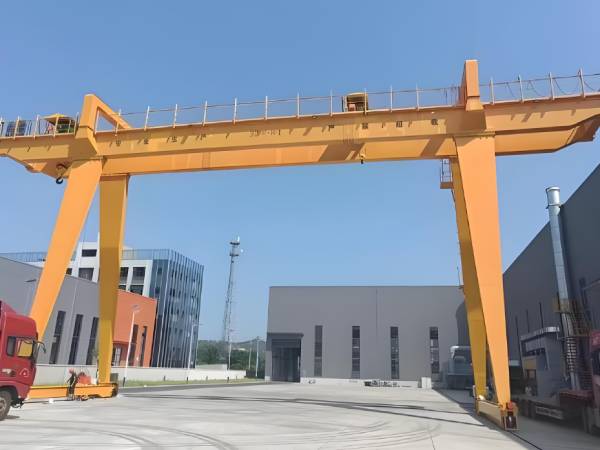
Regular lubrication of moving components is another vital practice to extend the Portal Boom Crane’s lifespan. The Portal Boom Crane consists of numerous moving parts, including bearings, gears, hinges, and pulleys, which generate friction during operation. Without proper lubrication, this friction can cause excessive wear, overheating, and premature component failure. Maintenance personnel should follow the manufacturer’s guidelines to select the appropriate lubricant for each component—for example, high-temperature-resistant lubricants for parts exposed to intense friction and corrosion-resistant lubricants for components in coastal or humid environments. Lubrication should be performed at fixed intervals, and old lubricant should be completely drained before applying new lubricant to avoid mixing impurities that could damage parts. This simple yet effective measure significantly reduces wear and tear, ensuring the Portal Boom Crane operates smoothly for years.
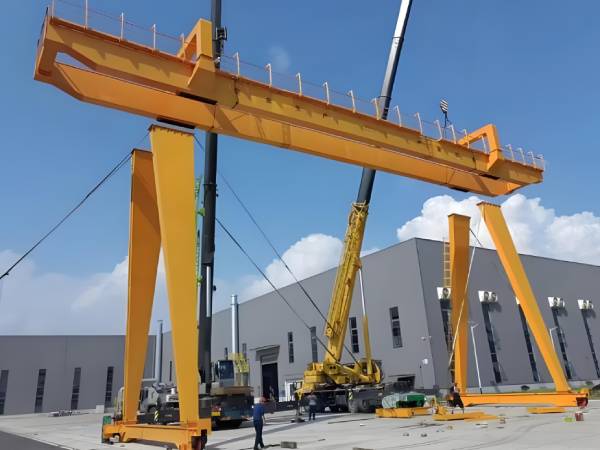
Proactive maintenance of key load-bearing and control components is crucial to preventing major breakdowns and extending the Portal Boom Crane’s service life. The boom and gantry frame, as the main load-bearing structures of the Portal Boom Crane, should be inspected periodically using non-destructive testing (NDT) techniques, such as ultrasonic testing, to detect hidden cracks or fatigue damage that may not be visible to the naked eye. Timely repair or replacement of damaged structural parts prevents further deterioration and ensures the crane can safely handle rated loads. The hydraulic system’s filters and seals should also be replaced regularly to prevent contamination of hydraulic oil, which can damage pumps, valves, and cylinders. For the electrical system, regular calibration of sensors and inspection of wiring harnesses can prevent short circuits and ensure accurate control of the Portal Boom Crane’s movements.
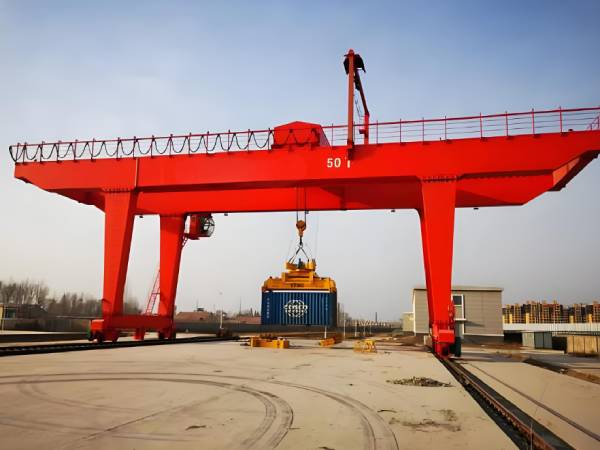
Adapting maintenance practices to the operating environment is often overlooked but plays a significant role in extending the Portal Boom Crane’s lifespan. Portal Boom Cranes used in coastal areas are exposed to salt spray and high humidity, which accelerate corrosion of steel components and electrical systems. In such environments, maintenance should include regular anti-corrosion treatments, such as repainting the steel structure and applying anti-rust coatings to exposed parts. For Portal Boom Cranes operating in dusty industrial yards, frequent cleaning of air filters, hydraulic filters, and electrical components is necessary to prevent dust accumulation, which can clog parts and cause overheating. In cold climates, winter maintenance should focus on protecting the hydraulic system from freezing—using low-temperature hydraulic oil and ensuring proper insulation of pipes and tanks to avoid damage from cold weather.
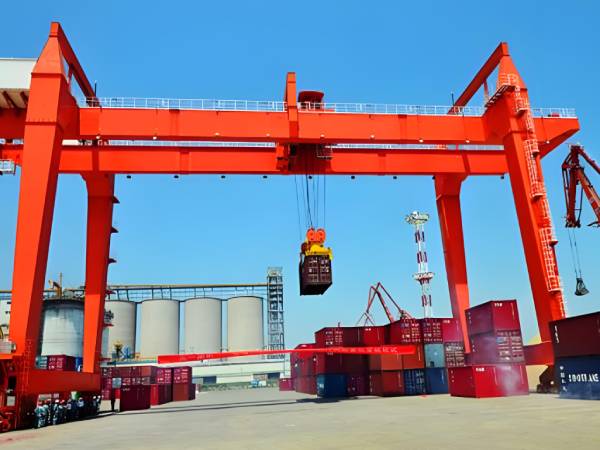
Finally, establishing a professional maintenance management system and training qualified operators are essential for long-term Portal Boom Crane lifespan extension. A well-documented maintenance schedule, including daily, weekly, monthly, and annual inspections and maintenance tasks, ensures that no critical steps are missed. Maintenance records should be kept in detail, recording the date of maintenance, components inspected, repairs performed, and lubricants used—this helps track the Portal Boom Crane’s condition over time and identify potential issues early. Additionally, training operators and maintenance personnel on proper operation and maintenance procedures reduces human error, such as improper use of the crane or incorrect maintenance methods, which can cause unnecessary damage. Regular training also keeps personnel updated on the latest maintenance techniques and safety standards, ensuring the Portal Boom Crane is always operated and maintained correctly.
In conclusion, extending the lifespan of a Portal Boom Crane requires a combination of daily inspections, regular lubrication, proactive component maintenance, environment-adapted care, and professional management. By implementing these practices consistently, operators and maintenance teams can minimize equipment failure, reduce operational costs, and ensure the Portal Boom Crane remains a reliable and efficient asset for years to come. Remember, preventive maintenance is always more cost-effective than reactive repairs—investing time and resources in regular care will ultimately extend the service life of your Portal Boom Crane and maximize its return on investment.